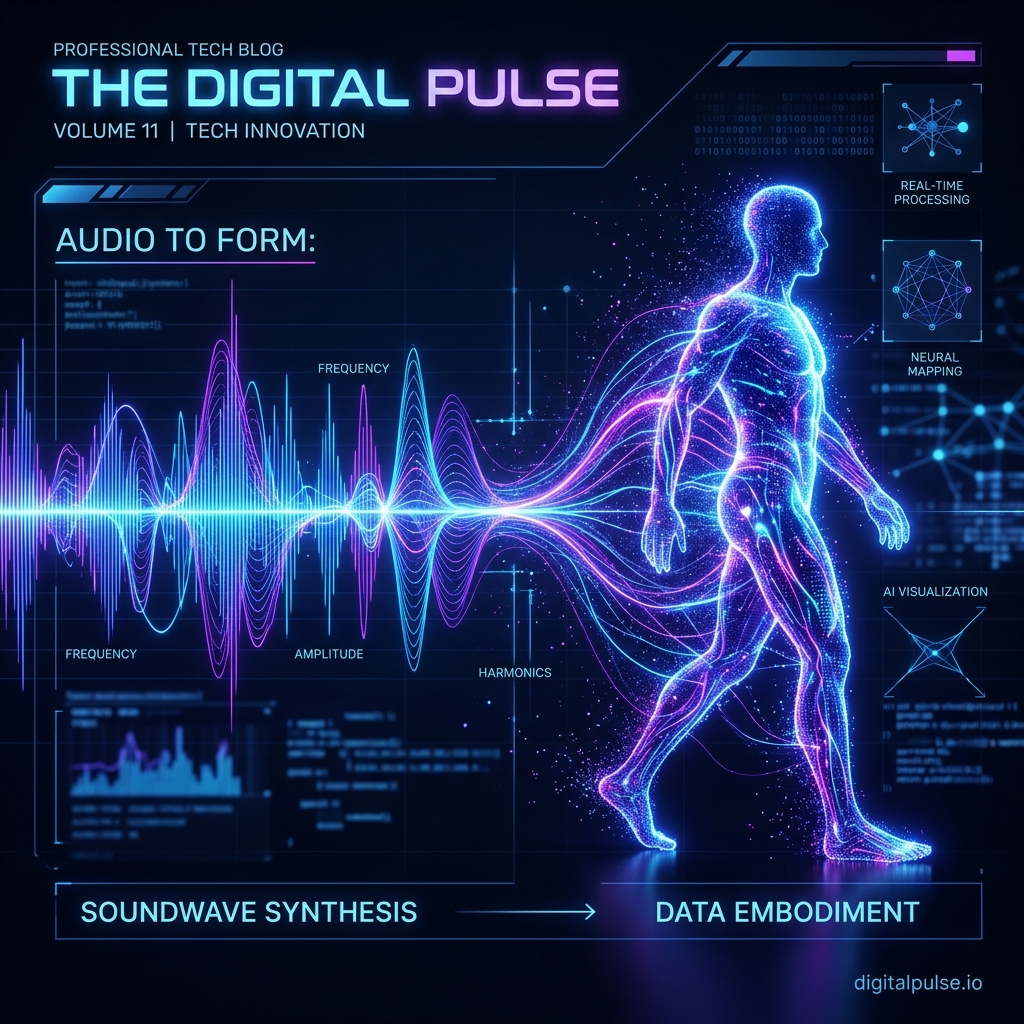
In the fast-paced world of digital innovation, AI Voice Generation has officially transcended the "uncanny valley." As we navigate through 2026, the industry is no longer satisfied with simple, mechanical speech. We have entered the era of hyper-realistic neural synthesis, where the focus has shifted from accuracy to empathy.
At Fish Audio Online, we are witnessing a fundamental transformation in how creators, brands, and developers utilize vocal technology. This isn't just about reading text; it's about imbuing digital interfaces with a soul.
1. The Rise of Emotional Neural Text-to-Speech (ENTTS)
For over a decade, the primary goal of TTS was to sound human. In 2026, we've surpassed that. The new frontier is Emotional Intelligence. Modern ENTTS models now analyze the semantic intent of a script before a single waveform is generated.
"The true measure of an AI voice in 2026 isn't just how much it sounds like a human, but how much it feels like one."
Whether it’s a high-energy AI voice generator output for a viral TikTok or a calm, authoritative narration for a corporate training module, the technology now understands prosody, rhythm, and emotional weight.
Key Advancements in ENTTS:
- Contextual Inflection: The AI identifies sarcasm, excitement, and urgency based on the surrounding text.
- Breath Integration: Natural, non-verbal cues like subtle breaths and pauses are dynamically inserted to mimic human lung capacity.
- Dynamic Pitch Shifting: Real-time adjustments to pitch and speed that reflect the emotional arc of the narrative.
2. Zero-Shot Voice Cloning: The Personalized Future
One of the most revolutionary shifts in 2026 is the maturity of Zero-Shot Voice Cloning. This technology allows for the creation of a high-fidelity vocal twin using as little as 10 seconds of source audio.
While this technology opens up incredible doors for personalization, it also requires a robust commitment to ethical usage. At Fish Audio, we prioritize creator rights and identity protection above all else.
Practical Applications of Vocal Twins:
- Gaming & Immersive Storytelling: NPCs that speak in unique, non-repetitive voices.
- Multilingual Branding: A single brand ambassador "speaking" in 75+ languages while maintaining their unique vocal timbre.
- Assistive Technology: Restoring the voices of those who have lost theirs due to medical conditions.
3. Multimodal AI: Sound, Vision, and Intent
The silos between AI tools are collapsing. In 2026, your free text to speech tool is likely part of a broader multimodal ecosystem.
Modern AI engines now process text, image, and audio data simultaneously. When you generate a voiceover for a video, the AI "sees" the video content and adjusts its delivery to match the visual pacing. This synchronization is what differentiates a "good" content piece from a "Pro SEO" high-conversion asset.
4. The Sustainability of Neural Computing
As neural models grow in complexity, the industry has pivoted toward Efficient Inference. In 2026, generating high-fidelity text to voice outputs requires 60% less energy than it did just two years ago. This efficiency allows us to offer faster generation speeds and more affordable access to premium voices for creators worldwide.
Conclusion: Setting the New Standard
The future of AI voice generation isn't just about technology; it's about human connection. By automating the mechanical aspects of production, we are freeing up the creative mind to focus on what matters most: the story.
Ready to experience the future today? Start generating ultra-realistic AI voices and find the perfect sound for your 2026 projects.